
2026-10-06 · Robert "Rob" Sanchez
Termite Risks For Homes Near Orlando Wetlands And Retention Ponds
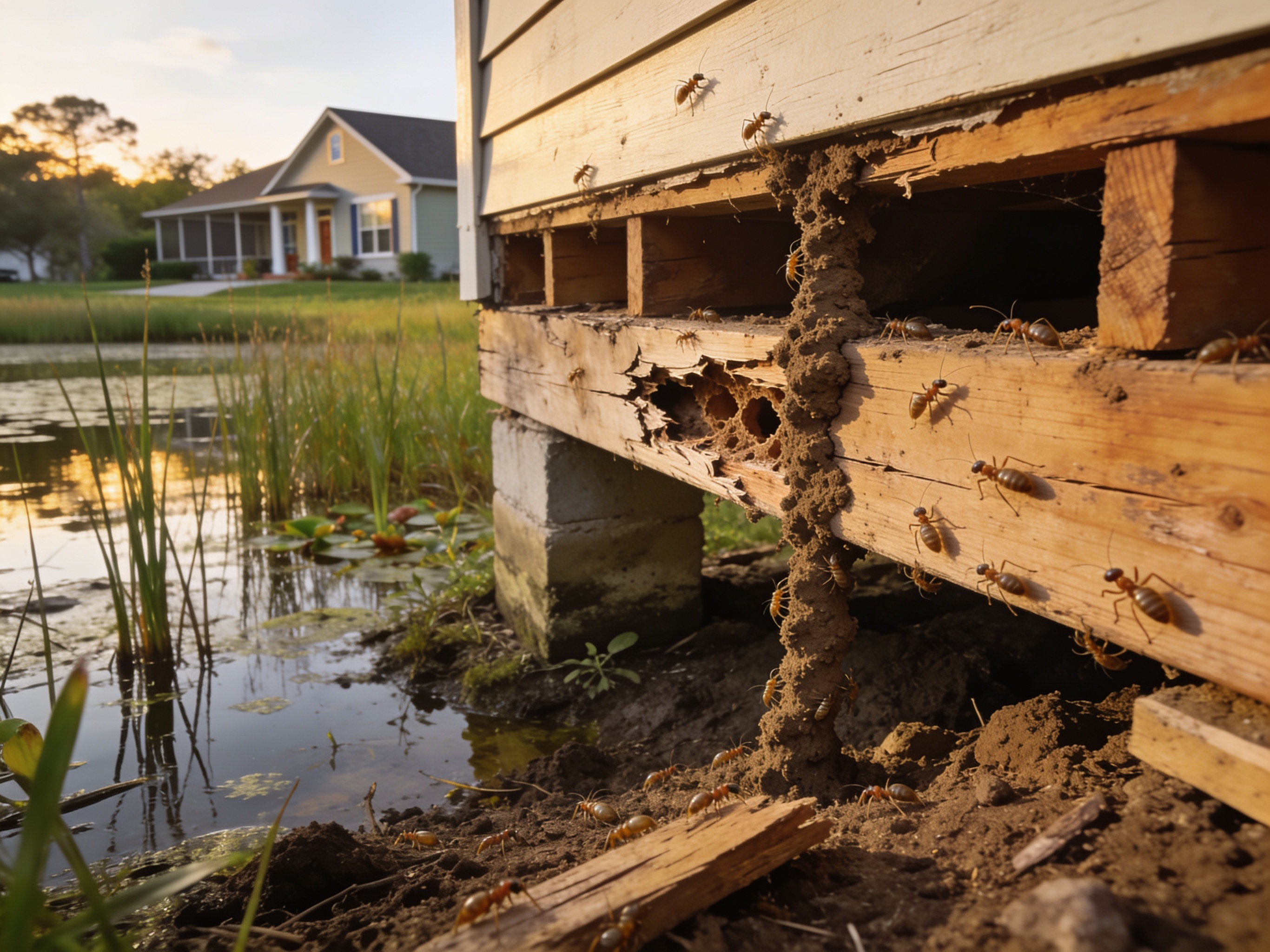
Homes situated near Orlando's abundant wetlands and retention ponds face a significantly elevated risk of termite infestations, primarily from subterranean termites. The constant moisture, rich organic matter, and undisturbed soil found in these natural and man-made water features provide an ideal habitat for these destructive pests, making properties in areas like Waterford Lakes or Avalon Park particularly vulnerable. This proximity can increase the likelihood of termite activity by 2-3 times compared to homes on drier, more developed lots, and infestations may develop faster, often within 3-5 years of construction if proper preventative measures aren't in place.
Why Wetlands and Ponds Attract Termites
Orlando's landscape is dotted with countless wetlands and retention ponds, essential for managing stormwater in a region prone to heavy rainfall. While these features are vital for our ecosystem, they create perfect conditions for subterranean termites. These termites require consistent moisture to survive and thrive, and the damp soil around ponds and wetlands provides exactly that. The soil in these areas is often rich in decaying wood and other organic debris, which serves as a readily available food source for termite colonies. Furthermore, the undisturbed nature of these habitats allows colonies to grow large and establish extensive tunnel systems without interruption, making them formidable threats to nearby homes.
The constant humidity and soil moisture near these water bodies help termites maintain the ideal microclimate within their mud tubes and colonies, protecting them from desiccation. This means they can forage more aggressively and closer to structures without drying out. For homeowners in neighborhoods backing up to these features, like those along the Little Econlockhatchee River or near the numerous ponds in Lake Nona, understanding this environmental predisposition is the first step in effective termite prevention and control. It's not just about standing water; it's about the consistently damp soil that extends well beyond the immediate waterline.
Identifying Termite Activity Near Water Features
Detecting termite activity early is crucial, especially for homes in high-risk areas. Subterranean termites, which are the most common threat near water, build distinctive mud tubes to travel between their underground colonies and food sources. These tubes are often found on foundations, in crawl spaces, or along wooden structures that contact the ground. Near wetlands and ponds, these tubes might be more discreet, often hidden under leaf litter, mulch, or behind overgrown vegetation that thrives in moist conditions. Homeowners should regularly inspect their property, paying close attention to areas where the house meets the soil, especially after heavy rains common in the Orlando 32828 area.
Another key sign is the presence of swarming termites, particularly during the spring and fall months when conditions are warm and humid. Swarmers are winged reproductive termites that emerge from mature colonies to establish new ones. Finding discarded wings near windowsills, light fixtures, or spiderwebs is a strong indicator of a nearby termite colony. Given the prevalence of water bodies, these swarms can be particularly robust, with large numbers emerging from colonies nestled in the damp earth. If you spot these signs, a professional Termite Inspection is highly recommended to assess the extent of the problem.
Common Entry Points for Termites in Moist Environments
Homes near wetlands and retention ponds often present specific entry points that termites exploit. The primary culprits are areas where wood directly contacts the soil, which is more common and problematic in damp conditions. This includes wooden deck posts, fence posts, and even doorframes or window sills that have settled over time to touch the ground. Expansive soil around foundations, exacerbated by fluctuating moisture levels from nearby water, can create hairline cracks in concrete slabs and foundations, offering tiny but sufficient entryways for termites to access the structure.
Furthermore, homes in these moist environments often have more lush landscaping, which, while beautiful, can inadvertently invite termites. Mulch beds piled too high against the foundation, overgrown shrubs, and tree roots growing too close to the house all provide pathways and cover for termites. Even seemingly minor issues like leaky outdoor faucets or poor drainage that create puddles near the foundation can attract termites, as they seek out any consistent moisture source. Understanding these vulnerabilities is key to implementing effective Termite Prevention strategies.
Preventing Termite Infestations in High-Risk Areas
For homes in Orlando 32828 and surrounding areas like Union Park, especially those bordering natural or man-made water features, proactive prevention is paramount. Start by ensuring proper drainage around your home. Grade the soil away from your foundation to prevent water from pooling. Repair any leaky outdoor faucets or irrigation systems immediately. Maintain a clear 6-inch to 12-inch gap between soil and any wooden structural components of your home. This might mean pulling back mulch or trimming shrubs that are too close to the foundation.